
11 Years Experience
Guiding expats since 2014.
Licensed Expertise
§34d certified broker.
200K+ Community
Verified by thousands.
Expert Verified
Fact-checked.
Quick Summary
Shortly after moving into your new German apartment and registering your address (Anmeldung), you receive a yellow-brown envelope. It demands EUR 18.36 per month. This is the mandatory German broadcasting fee (Rundfunkbeitrag, formerly GEZ). Throwing this letter away because you "don't watch German TV" represents one of the most common, and expensive, mistakes expats make. In our 11 years guiding expats, we watch ignored GEZ letters snowball into frozen bank accounts and massive legal fees. This 2026 guide explains exactly how this tax works, the strict rules for sharing it in a WG, how to legally apply for an exemption, and how to cancel it when leaving the country.

« German bureaucracy is rigid but predictable. Treating your applications like legal documents rather than marketing flyers is the secret to getting a fast YES from any German office. »
1. What is the GEZ / Rundfunkbeitrag?
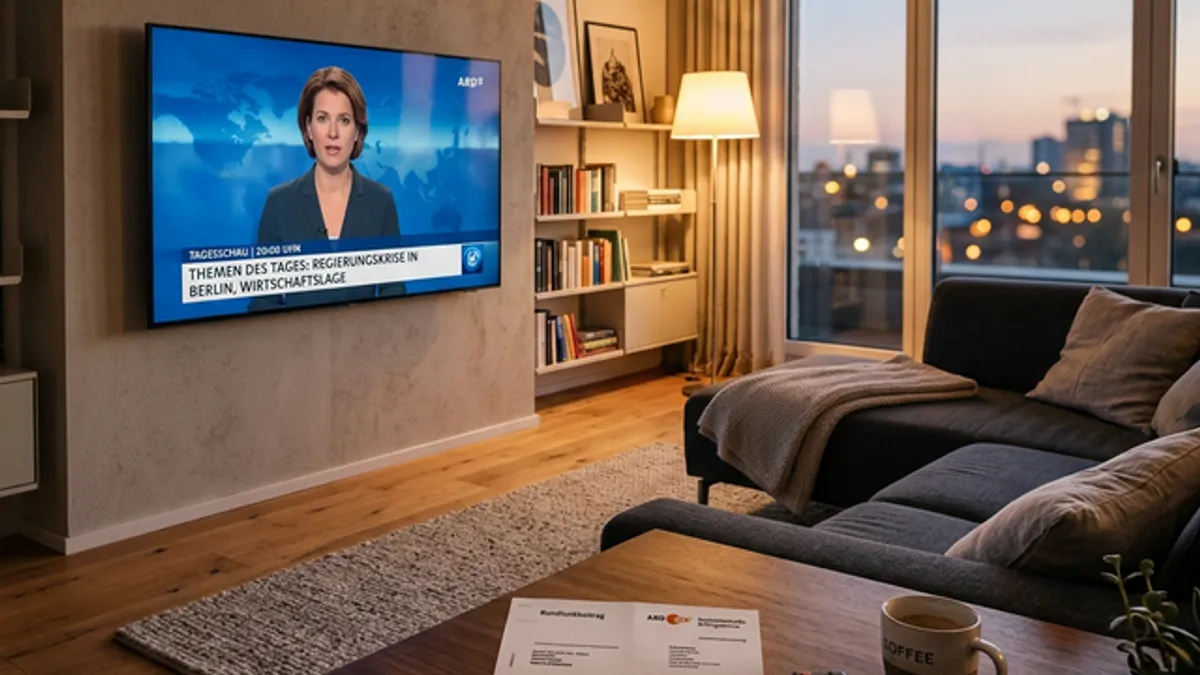
The Rundfunkbeitrag (broadcasting contribution), historically known as the GEZ, is a mandatory fee funding Germany's public broadcasting networks (ARD, ZDF, Deutschlandradio).
The system ensures public media remains independent from political interference and corporate advertising. It operates on a solidarity model. The German Federal Constitutional Court (Bundesverfassungsgericht) repeatedly upholds the absolute legality of this fee, regardless of your personal media consumption.
The "Residence-Based" Rule (The Big Misunderstanding)
Before 2013, you only paid if you owned a capable device (TV, radio, PC). Inspectors walked neighborhoods searching for antennas.
The government abolished this system in 2013.
Today, the fee is strictly residence-based. The fee applies to the physical apartment itself, completely regardless of whether you own a TV or understand German television. If an apartment exists, someone pays.
Do not ignore the letters!
Newly arrived expats often trash GEZ letters, assuming they are a scam or an optional subscription. It is a strict statutory obligation. If ignored, the Beitragsservice adds massive late fees (Säumniszuschläge). Ignore them for 6 to 12 months, and they legally unilaterally freeze your German bank account or send a bailiff (Gerichtsvollzieher) to garnish your salary. We see this constantly.
2. How much is the fee and who pays?
The broadcasting fee costs EUR 18.36 per month. By default, they bill it quarterly. You pay EUR 55.08 every three months.
The Golden Rule: One Apartment = One Fee
Because the fee ties to the physical dwelling, you pay it once per household, regardless of the number of occupants. A single person in a studio and a family of six in a house both owe exactly EUR 18.36 per month.
In Detail: Handling the GEZ in a Shared Flat (WG)
The "one fee per apartment" rule confuses expats in shared flats (Wohngemeinschaft). If four people share a flat, you do not pay four times.
- One person takes responsibility, registers their name, and pays the full EUR 18.36/month. They receive a 9-digit account number (Beitragsnummer).
- The city registration office (Bürgeramt) reports everyone's address to the GEZ. The other three roommates receive demand letters in their own names.
- The three roommates must use the online portal to declare: "I live here, but my roommate [Name] already pays under this Beitragsnummer."
- Once linked to the main payer's Beitragsnummer, the demand letters stop.
- You split the cost privately (e.g., set up a standing order to send the main payer EUR 4.59 per month).
Common Expat Mistake: The WG Payer Moves Out
If the main GEZ payer leaves the flat and deregisters, their GEZ account closes. The remaining roommates suddenly receive demand letters again. You must immediately register a new main payer and link the others to the new Beitragsnummer. The GEZ will not figure this out automatically; they simply bill everyone individually until someone takes responsibility.
3. The Registration Process: How They Find You
When you register your address (Anmeldung), the German Registration Act (Bundesmeldegesetz) legally mandates the Bürgeramt to forward your data (name, date of birth, move-in date, address) directly to the Beitragsservice. You cannot hide.
1. Receive the Initial Letter
requiredAbout 2 to 4 weeks after your Anmeldung, a welcome letter arrives. It includes a reply form asking for payment details or if someone else already pays for the apartment.
2. Fill out the Form (Online is Best)
requiredSkip the paper form. Scan'the QR code or visit rundfunkbeitrag.de to complete it online. You need your German or European IBAN.
3. Set up a SEPA Direct Debit
optionalProvide a SEPA direct debit mandate (Lastschriftmandat). They automatically pull EUR 55.08 every 3 months. This prevents forgotten transfers, missed payments, and rapidly accumulating EUR 8 penalty fees.
What Happens When You Move Within Germany? (Ummeldung)
If you move, perform an Ummeldung (address change). The Bürgeramt informs the GEZ. However, you hold an active duty to log into the GEZ portal and update your address. If you and your partner (both paying GEZ) move in together, you must merge accounts. One officially deregisters the old flat and links to the other's Beitragsnummer. Otherwise, you both pay EUR 18.36 a month. They do not refund you retroactively if you wait years to fix this.
4. Exemptions: Who doesn't have to pay?
Strict, legally defined exceptions allow for a full exemption (Befreiung) or reduction (Ermäßigung). You must actively apply online and upload proof; exemptions are never automatic.
- Social Welfare Recipients: If you receive Bürgergeld (unemployment benefits), Grundsicherung (basic income support), or specific social assistance, you are exempt. Submit your welfare approval letter.
- Students on BAföG: Students receiving state financial aid (BAföG) can apply for exemption.
- (Crucial Note: International students who are self-funded or on scholarships but lack German BAföG MUST pay the full fee. Student status grants no automatic exemption.)
- Severe Disabilities: Individuals with a severe disability pass (Schwerbehindertenausweis) containing the "RF" mark pay a reduced EUR 6.12/month. Deaf-blind individuals are completely exempt.
- Asylum Seekers: Asylum seekers in shared accommodation centers (Gemeinschaftsunterkünfte) are exempt.
If your exemption application delays, you must pay the fee. If granted retroactively, the GEZ refunds the overpayment.
5. Canceling the GEZ When Leaving Germany (Abmeldung)
Expats frequently move back home and forget to cancel their GEZ account.
The GEZ does not magically know you left. Even if you deregister at the Bürgeramt (Abmeldung), the GEZ account often remains open. Fees accrue monthly. Expats return years later to face EUR 1,500 debt collection notices at the airport or when opening a new bank account.
How to cancel correctly:
- Get your official deregistration certificate (Abmeldebescheinigung) from the Bürgeramt.
- Visit
rundfunkbeitrag.de. - Select "Wohnung abmelden" (Deregister apartment).
- Select "Ich ziehe dauerhaft ins Ausland" (I am moving abroad permanently).
- Upload a clear PDF scan of your Abmeldebescheinigung.
- Save the confirmation email. Do not close your German bank account until the final, prorated payment clears.
Frequently Asked Questions (FAQ)
What to read next
General Information & Legal Notice
The information provided in this article is for general educational purposes only and reflects our 11+ years of experience helping expats navigate German bureaucracy. It does not constitute formal legal, tax, or professional advice.
While we strive to keep our content accurate and up-to-date, immigration laws, tax regulations, and administrative processes in Germany change frequently. We are not lawyers or registered tax advisors. For individual cases, complex legal issues, or specific tax situations, we strongly recommend consulting a qualified German lawyer (Rechtsanwalt) or a certified tax advisor (Steuerberater).
About Oliver
Founder of expats.de, former cooperative bank advisor (Bankfachwirt IHK) with 12 years of banking experience, and a §34d licensed insurance broker. Since 2014, Oliver has helped over 10,000 expats navigate the German financial system. Read Oliver's full story →
Educational Notice & General Advice
This content is educational and reflects analysis based on our 11 years of market experience, our 200,000+ community insights, and current regulatory knowledge.
As a 34d-licensed insurance broker and experienced financial advisor, I provide this guidance in good faith. However, for personalized advice especially regarding insurance, mortgages, or tax-specific decisions—please consult with a qualified financial advisor or tax professional in your specific situation. Past expat experiences and historical market data do not guarantee identical results for your unique circumstances.