
11 Years Experience
Guiding expats since 2014.
Licensed Expertise
§34d certified broker.
200K+ Community
Verified by thousands.
Expert Verified
Fact-checked.
Quick Summary
German bureaucracy runs on paper, and that paper almost always requires the German language. Whether you apply for a Blue Card, register a marriage, or enroll in a university, foreign documents like birth certificates and diplomas require a "beglaubigte Übersetzung" (certified translation). You cannot translate these yourself, ask a bilingual friend, or use Google Translate. A legally sworn translator, recognized by a German regional court, must translate and physically stamp them. In our 11 years guiding expats, document rejection remains the number one reason visas fail. This guide explains exactly when you need a certified translation, how the Apostille process works, and how to safely order translations online without visiting a local agency.

« German bureaucracy is rigid but predictable. Treating your applications like legal documents rather than marketing flyers is the secret to getting a fast YES from any German office. »
What is a Certified Translation (Beglaubigte Übersetzung)?
A certified translation (beglaubigte Übersetzung) acts as a legally binding translation of an official document. It goes beyond a high-quality translation; it'serves as a legal instrument.
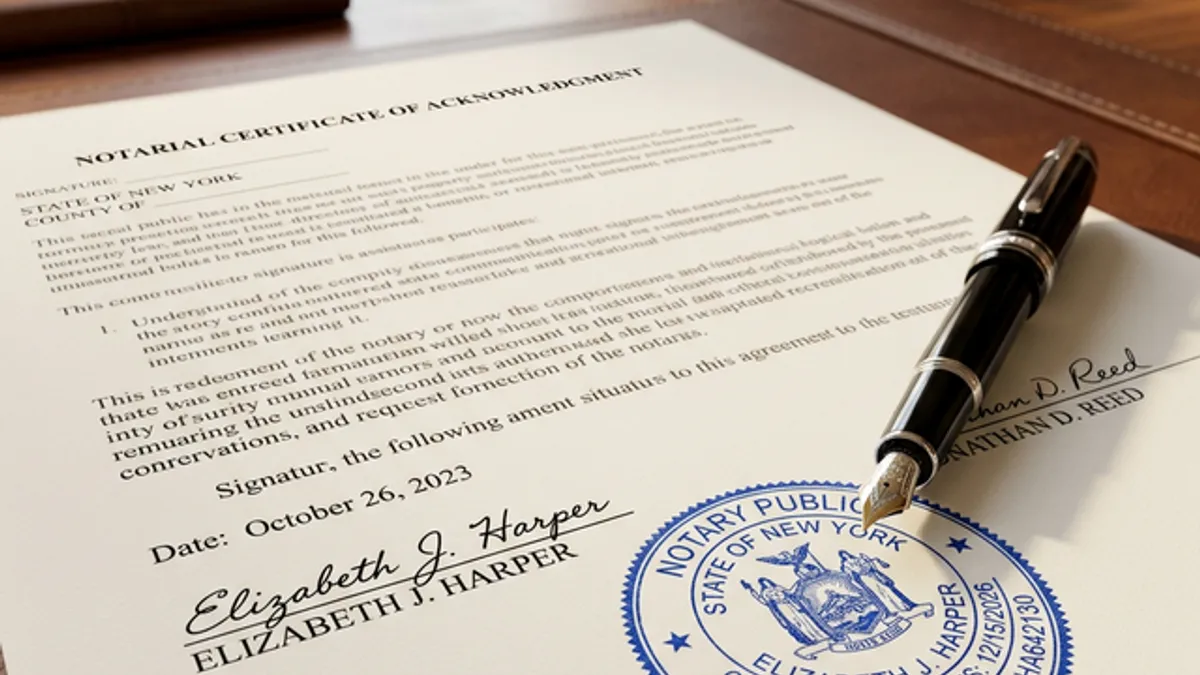
It includes a formal written statement, an official seal (stamp), and the handwritten signature of a sworn translator (vereidigter Übersetzer or ermächtigter Übersetzer). This physical stamp guarantees the German state that the translation provides a complete, unmanipulated, and accurate representation of the original foreign document.
German authorities (the Ausländerbehörde for visas, the Bürgeramt for registration, or universities) demand these specifically. Case workers cannot read Arabic, Hindi, Mandarin, or even English legal terminology. They require absolute legal certainty in German to make binding administrative decisions.
The Power of the "Sworn" Translator
A sworn translator takes an oath at a German Regional Court (Landgericht). They assume legal liability for their work. If they translate a fake diploma and stamp it, they lose their license and face criminal charges. This accountability gives their stamp immense weight in the German bureaucratic system.
When do you absolutely need a Certified Translation?
Over 70% of our community members struggle to determine which documents need translation. The golden rule: If a government or educational institution issued it, and you submit it to a German government body, you need a certified translation.
1. Visas, Blue Cards & Residence Permits
When applying at the Ausländerbehörde (Foreigners' Office) or a German Embassy abroad:
- University Degrees: Essential for the EU Blue Card to prove recognized qualifications.
- Marriage Certificates: Required for Family Reunion Visas (Familiennachzug) to verify the marriage is legal.
- Birth Certificates: Required for bringing children to Germany or applying for German citizenship (Einbürgerung).
- Police Clearance Certificates: (Führungszeugnis) Often required for high-security jobs or citizenship applications.
2. University Admissions (Studienkolleg, Bachelor, Master)
Universities enforce incredibly strict document formatting. If you apply via Uni-Assist (the central portal for international students), you must provide certified translations of:
- High School Diplomas
- Bachelor's or Master's Transcripts (showing all grades and credits)
- Letters of Recommendation (sometimes)
3. Marriage in Germany
If you plan to marry at a German registry office (Standesamt), prepare for a serious paperwork journey. You definitely need certified translations of:
- Foreign birth certificates
- Certificates of No Impediment to Marriage (Ehefähigkeitszeugnis)
- Divorce decrees from previous marriages (if applicable)
4. Driving License Conversion (Umschreibung)
If your foreign driving license utilizes a language other than English or a recognized EU language, the local driving license authority (Führerscheinstelle) demands a translation. Even for English licenses, strict local offices demand translations to classify which vehicle classes correspond to the German system.
The Biggest Expat Mistake: Translators from Outside Germany
We see this mistake constantly: An expat in India, the US, or Brazil gets documents "certified" by a local notary or translator in their home country. They assume German authorities will accept it. They usually reject it.
Crucial Rule: Use a German Court-Sworn Translator
German authorities strongly prefer—and often strictly mandate—that a translator sworn in at a German Regional Court handles the translation. A certified translation from a notary in Texas or an agency in Mumbai carries zero legal weight for a German case worker, because German law does not bind the translator. Always use a translator based in Germany or one explicitly registered with a German court.
The Apostille Dilemma: Translation vs. Authentication
Translating the document solves only half the problem. You must grasp the difference between a Translation and an Apostille.
- What is a Certified Translation? It proves what the document says in German.
- What is an Apostille? It proves the original document is real and not a forgery. The relevant government in your home country issues this internationally recognized verification stamp.
Deep Dive: The Correct Sequence of Events
If a German authority demands an "Apostilled and Translated" birth certificate, follow this exact sequence:
- Step 1: Obtain your original birth certificate in your home country.
- Step 2: Obtain the Apostille attached to that original document by the relevant authority in your home country (e.g., the Secretary of State in the US).
- Step 3: Send the document with the Apostille attached to a sworn translator in Germany.
- Step 4: The sworn translator must translate BOTH the original document AND the Apostille stamp into German.
If you translate the document first and then obtain the Apostille, the Apostille itself lacks translation, and the German authority rejects the entire packet.
How to Get a Certified Translation Online (The Modern Way)
Historically, expats searched German court databases, found a local sworn translator, mailed original documents, and waited weeks. Today, the process operates fully digitized and much faster. We recommend specialized platforms employing only German court-sworn translators.
The Step-by-Step Online Process
- Scan your Document: You do not need to mail the original. Take a high-quality, flat, well-lit'scan or photo of your document. Ensure all edges and stamps remain visible.
- Upload & Quote: Upload the file to a certified translation portal like Lingoking. The system analyzes the document type and language combination to provide an instant, fixed price.
- The Translation: A legally sworn translator downloads your scan and performs the translation, formatting it to match the original layout.
- Stamping & Delivery: The translator prints the translation, physically signs it, and applies their official court seal. Deutsche Post mails this physical paper to your German address.
- Digital Copy (Optional): Many services email you a PDF scan of the stamped translation before the physical copy arrives.
Why do I need the physical paper?
German bureaucracy still relies heavily on physical files. A PDF might pass an initial digital application, but the case worker almost always demands to see the physical, wet-stamped translation paper (alongside your original document) during your in-person appointment.
ISO 9 Transliteration: A Hidden Trap
When translating from languages not using the Latin alphabet (Arabic, Cyrillic, Greek, Mandarin), translators must transliterate names into Latin characters.
German authorities mandate sworn translators use the ISO 9 standard. This ensures standardized names across all documents.
Real-Life Scenario: Elena originates from Russia. Her passport spells her name "Yelena." However, the strict ISO 9 transliteration of her Cyrillic birth certificate spells it "Jelena." During her visa application, the case worker flags the discrepancy. To prevent this, sworn translators use the ISO 9 spelling but add an official "Translator's Note" (Anmerkung des Übersetzers) stating: "The spelling of the name according to the applicant's international passport is 'Yelena'." Always provide the translator with a copy of your passport to ensure they add this crucial note!
Cost and Timeframe Expectations
Budget accordingly for certified translations:
- Standard Documents (1-2 pages): Birth certificates, marriage certificates, police clearances, or driver's licenses cost between EUR 45 and EUR 80.
- Complex Documents: University transcripts with dense text and grades, or complex divorce decrees, cost from EUR 100 to EUR 250+.
- Language Rarity: Translating from Spanish, French, or English into German costs less due to high translator availability. Translating rare dialects costs significantly more.
- Timeframe: A standard translation takes 3 to 5 business days, plus 1-2 days for postal delivery in Germany. Platforms like Lingoking offer express services (24-48 hours) for a surcharge.
Frequently Asked Questions (FAQ)
General Information & Legal Notice
The information provided in this article is for general educational purposes only and reflects our 11+ years of experience helping expats navigate German bureaucracy. It does not constitute formal legal, tax, or professional advice.
While we strive to keep our content accurate and up-to-date, immigration laws, tax regulations, and administrative processes in Germany change frequently. We are not lawyers or registered tax advisors. For individual cases, complex legal issues, or specific tax situations, we strongly recommend consulting a qualified German lawyer (Rechtsanwalt) or a certified tax advisor (Steuerberater).
About Oliver
Founder of expats.de, former cooperative bank advisor (Bankfachwirt IHK) with 12 years of banking experience, and a §34d licensed insurance broker. Since 2014, Oliver has helped over 10,000 expats navigate the German financial system. Read Oliver's full story →
Educational Notice & General Advice
This content is educational and reflects analysis based on our 11 years of market experience, our 200,000+ community insights, and current regulatory knowledge.
As a 34d-licensed insurance broker and experienced financial advisor, I provide this guidance in good faith. However, for personalized advice especially regarding insurance, mortgages, or tax-specific decisions—please consult with a qualified financial advisor or tax professional in your specific situation. Past expat experiences and historical market data do not guarantee identical results for your unique circumstances.